
Products
We focus on providing our customers with high-quality galvanized steel coils, color-coated coils, carbon steel coils, and various types of pipes for construction.
‹
›
‹
›
Standard:ISO,JIS,ASTM,AS EN
✦Advantage: Competitive price and quality from our own factory
✦Certification : Approved by ISO9001, CE, SGS every year
✦ We promise that all steel sold will have a 2-year warranty period and will be responsible for every batch of goods you buy!
✦ We are a professional steel manufacturer with guaranteed quality. If you want to purchase products, please contact us for a more favorable price!
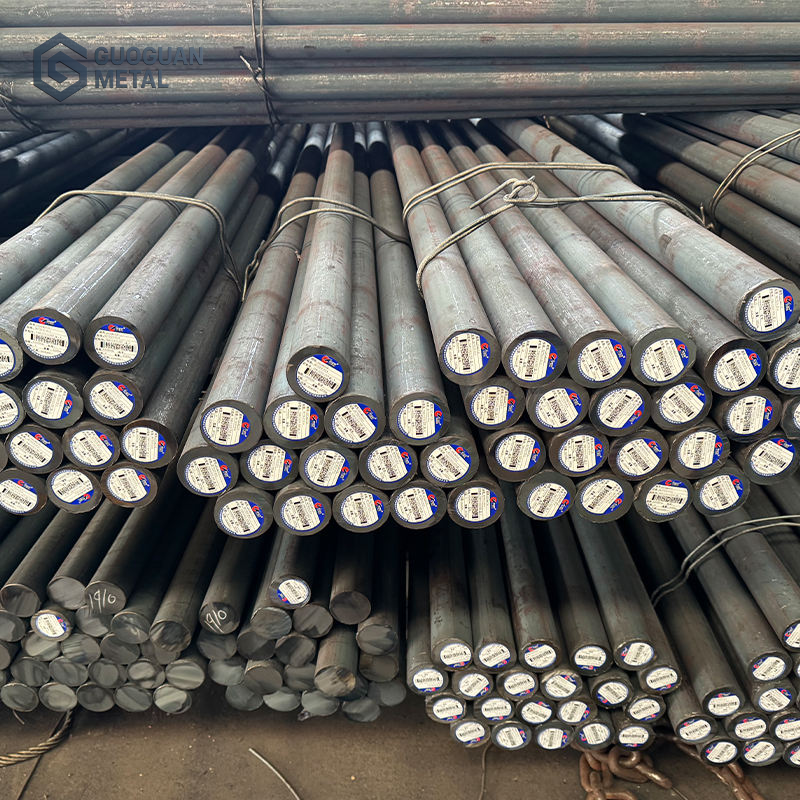
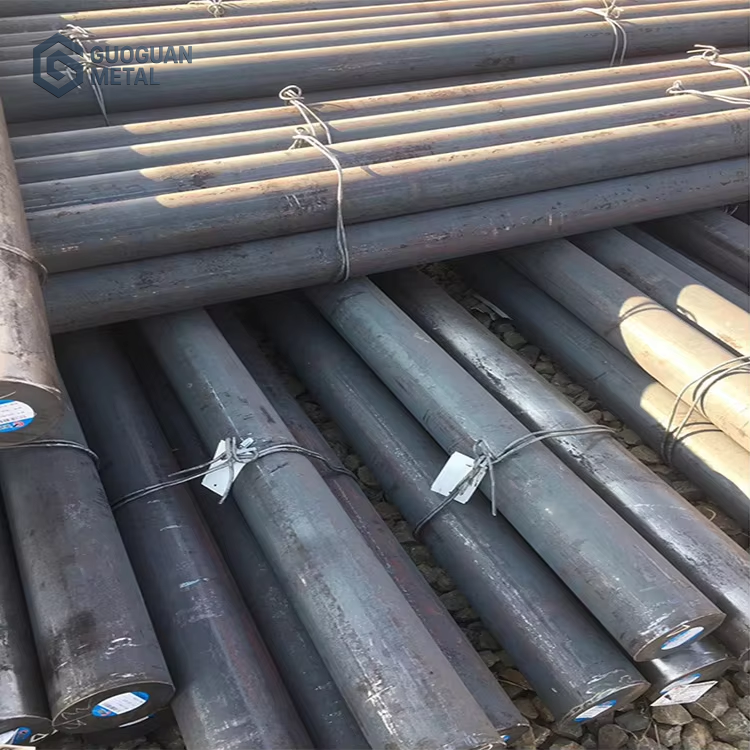
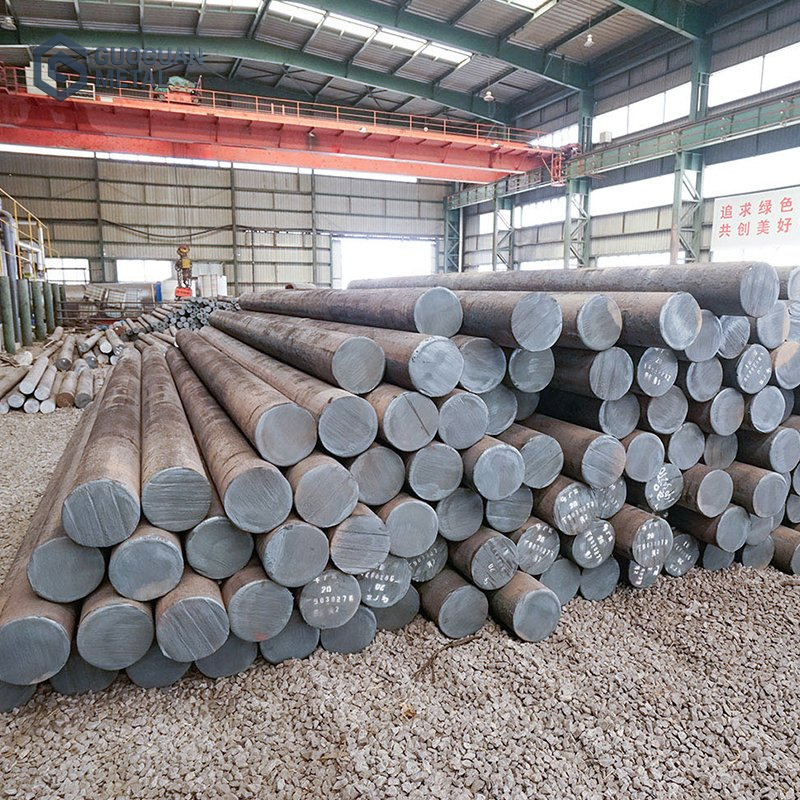
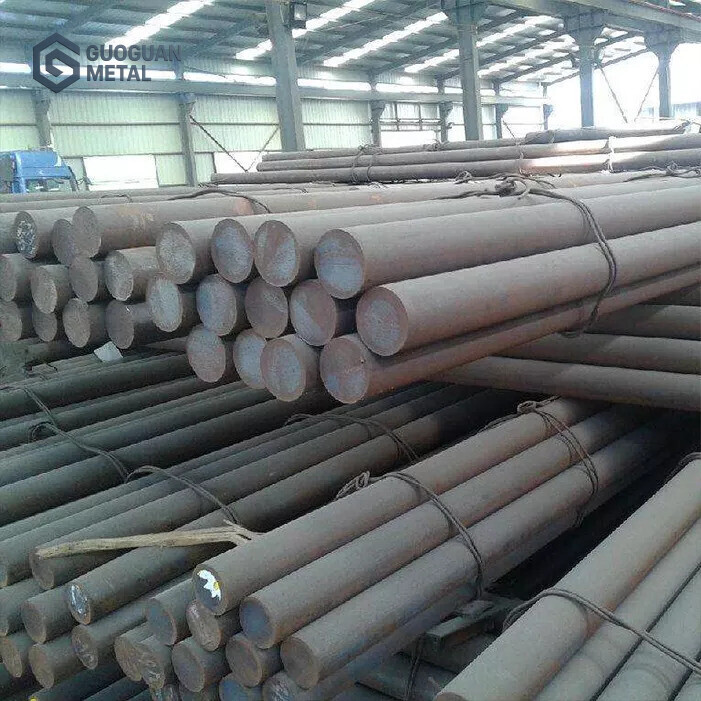
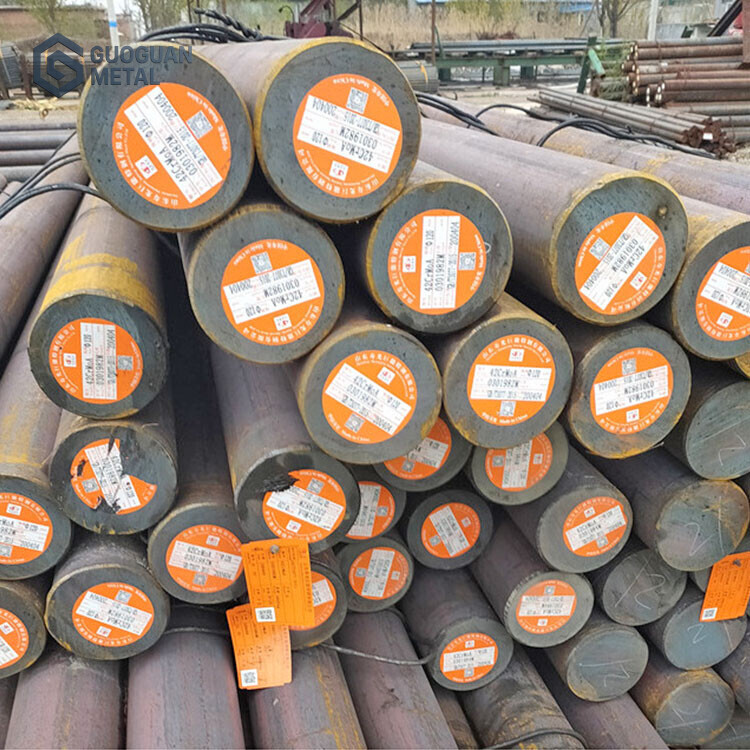
Cold drawing hot rolled bars is accomplished by pulling (drawing) a bar through a die which is smaller than the incoming hot rolled size. The “cold working” process improves the dimensional tolerances of the bar, the straightness, and the surface appearance and enhances the physical properties of the steel.
Product Parameters
Chemical Composition
Mechanical Properties
Physical Performance
Scope of Application
Bolted, riveted or welded structures for bridges, buildings and oil drilling rigs.
Used for forming storage tanks, silos, bearing plates, fixtures, rings, templates, fixtures, sprockets, cams, gears, bottom plates, forgings, decoration engineering, piles, brackets, automobiles and agricultural equipment, frames, mechanical parts, etc.
Equivalent Material
Product Show
Packaging And Transportation
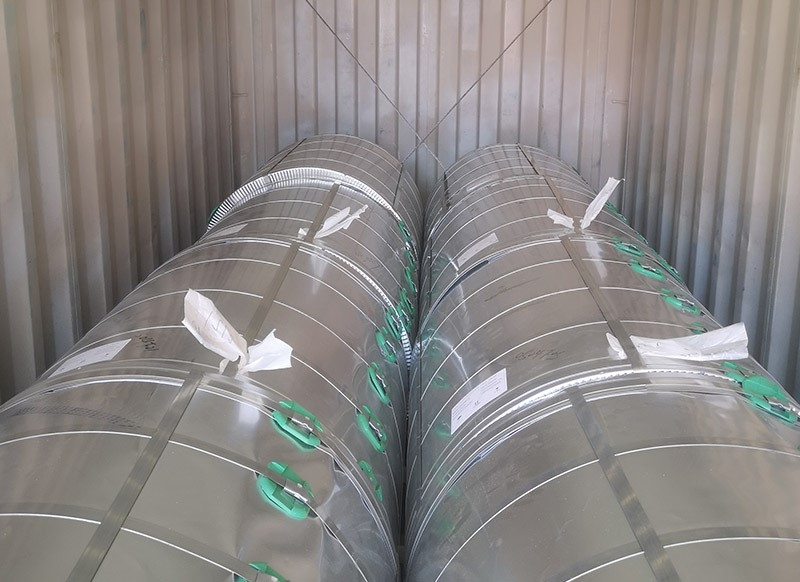
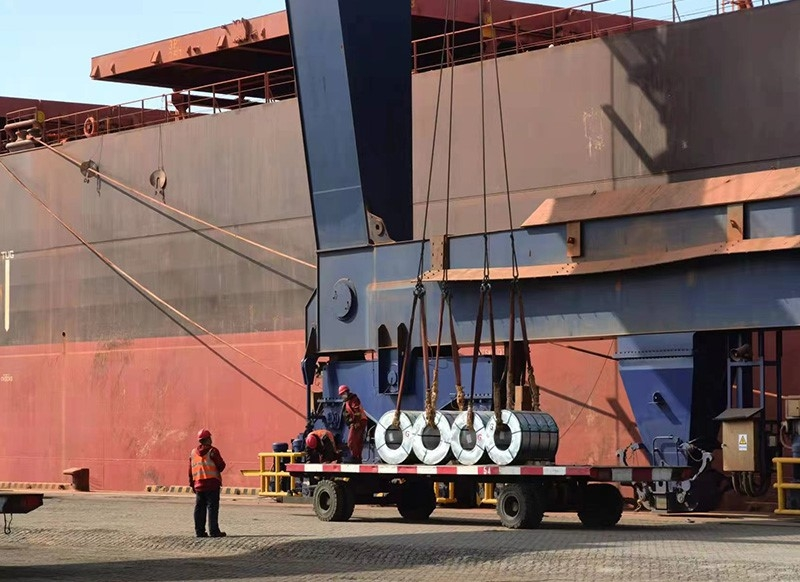
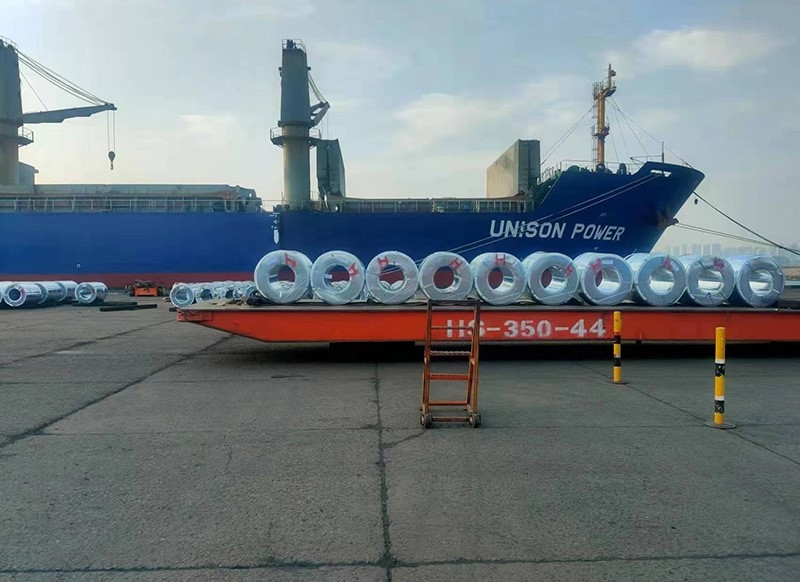
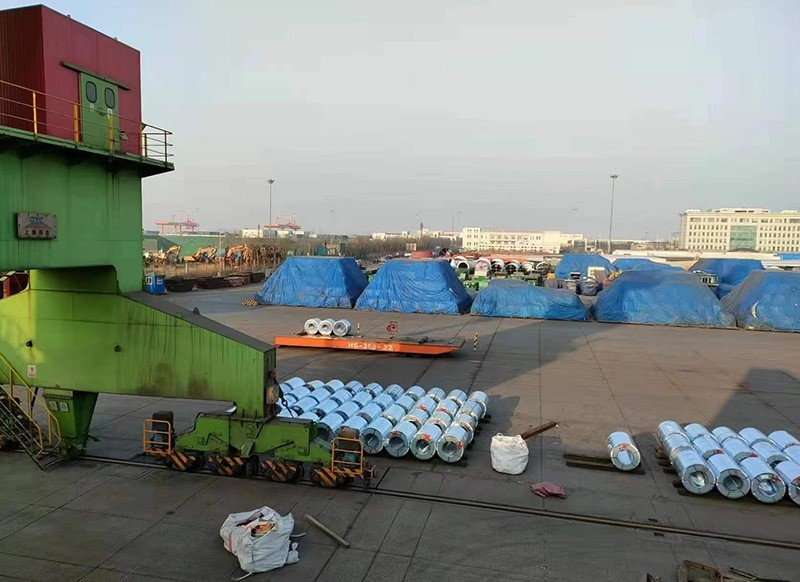
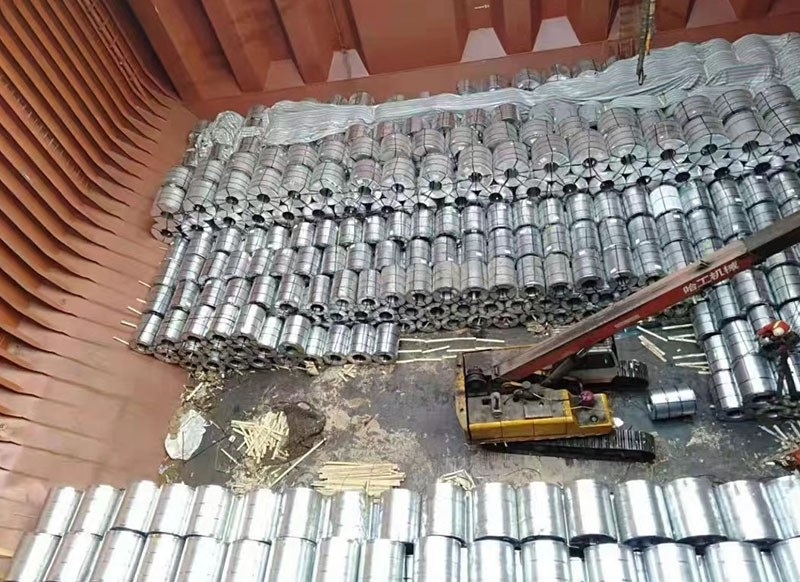
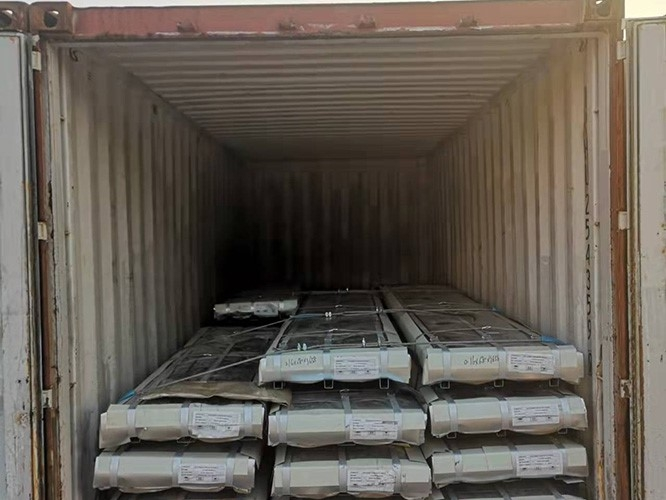
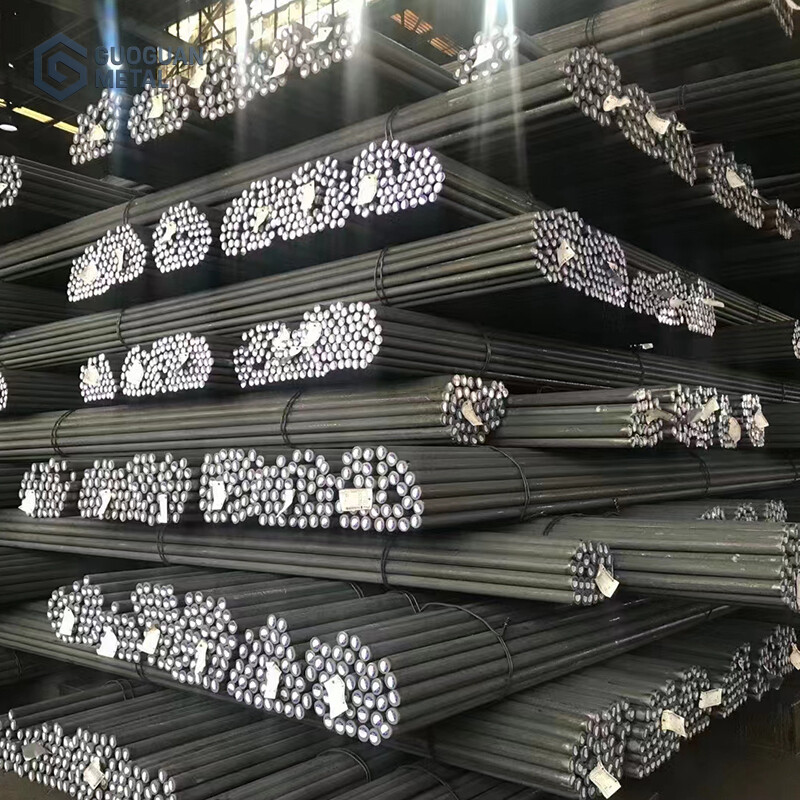
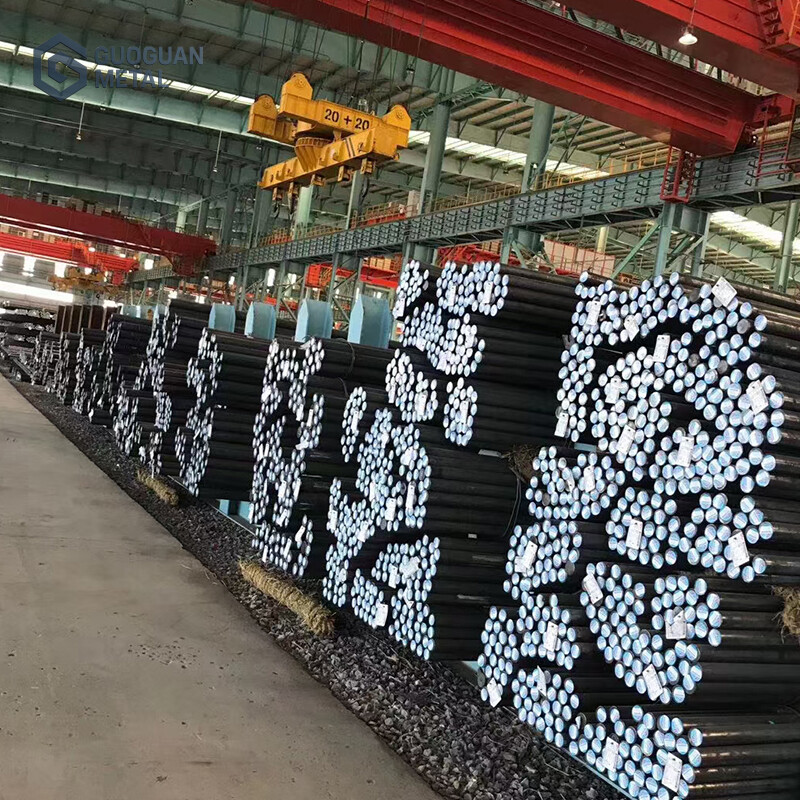
Transport packaging is used to minimize product damage during transportation and distribution, ensure product safety, facilitate storage, transport, loading and unloading, and expedite handover and inspection. People utilize packaging for transportation, storage, and handling. Also known as outer packaging, its main function is to protect goods, prevent damage during storage and transportation, minimize the impact of various external conditions on the goods during transport, and facilitate inspection, inventory, and distribution.
Transport packaging should meet the following basic requirements:
• Sufficient strength, rigidity, and stability;
• Waterproof, moisture-proof, insect-proof, corrosion-proof, and theft-proof capabilities;
• The selection of packaging materials should meet economic and safety requirements;
• The weight, dimensions, markings, and form of the packaging should conform to international and national standards, facilitating handling and loading/unloading;
• Reduce the labor intensity of workers and ensure safe and convenient operation.
The basic principles that should be followed in the design of transport packaging equipment include: standardization and serialization; containerization and large-scale principles; diversification and specialization principles; scientific principles; and ecological principles.
Online Message
Note: Please be sure to fill in the information accurately and keep the communication unblocked. We will get in touch with you as soon as possible.
Related Products
 AISI/SAE 4130 Alloy Steel BarAISI 4130 carbon steel bar has excellent strength, toughness and processability. Through normalizing and quenching treatment, the steel can achieve high strength and strength. In addition, the bars have excellent weldability and forgeability.
 AISI/SAE 1045 C45 Round Steel Bar1045 steel bar is made of a medium carbon, medium tensile strength steel, which has quite good strength, machinability and reasonable weldability under hot-rolled conditions. 1045 round steel can be provided with hot rolling, cold drawing, rough turning or turning and polishing.
 A36 Round Steel BarA36 is a low-carbon steel containing manganese, phosphorus, sulfur, silicon and copper. A36 has good weldability and high yield strength. A36 carbon steel bar is commonly used as a variety of structural steel parts.
 Cold-Drawn Steel BarA36 is a low-carbon steel containing manganese, phosphorus, sulfur, silicon and copper. A36 has good weldability and high yield strength. A36 carbon steel bar is commonly used as a variety of structural steel parts.
 A105 Round Steel BarA105 is an ASTM specification for steel forgings, primarily for carbon steel forged pipe components. The type of carbon steel wrought alloy involved is a low carbon, manganese and silicon steel similar to the AISI 1330, but with a lower manganese content.
 A572/S355JR Round Steel BaA572 steel bars have good strength, ductility and workability, making them ideal for structural applications. These characteristics make the A572 relatively simple to shape into different structures, while maintaining the ability to withstand large stresses and loads.
 AISI/SAE 1018 Round Steel BarAISI 1018 carbon steel bar has a chemical composition of carbon, chromium, manganese, molybdenum, phosphorus, sulfur and silicon. AISI 1018 carbon steel is a free machining grade that is the most commonly available grade around the world.
 AISI/SAE 4140 Alloy Steel BarAISI 4140 steel bar is made of a low alloy steel containing chromium, molybdenum and manganese. It has a high carbon content and a good balance of strength, toughness, wear resistance, impact resistance and heat treatment capabilities.
 Round SteelMaterial 301, 304, 304L, 309S, 321, 316, 316L, 317, 317L, 310S, 201,202 321, 329, 347, 347H 201, 202, 410, 420, 430, S20100, S20200, S30100, S30400, S30403, S30908, S31008, S31600, S31635, etc.
Leave a Message
Thank you for your interest in our products. "*" Indicates the Fields are Mandatory